Most suspension problems do not show up as one big dramatic moment. They creep in. One day the car feels a little busier over bumps. A week later, you notice the steering needs more tiny corrections than it used to. Then you hit a rough patch of road and think, wait, has it always felt like this?
If you’ve had that thought even once, keep reading. The signs below can help you spot suspension wear early, before it turns into uneven tire wear, longer stopping distances, or a car that feels unpredictable on the highway.
How Suspension Wear Usually Builds
Suspension parts live a hard life. They’re constantly absorbing impacts, flexing under load, and enduring heat, water, and road grime. Over time, the wear tends to show up in a few familiar ways:
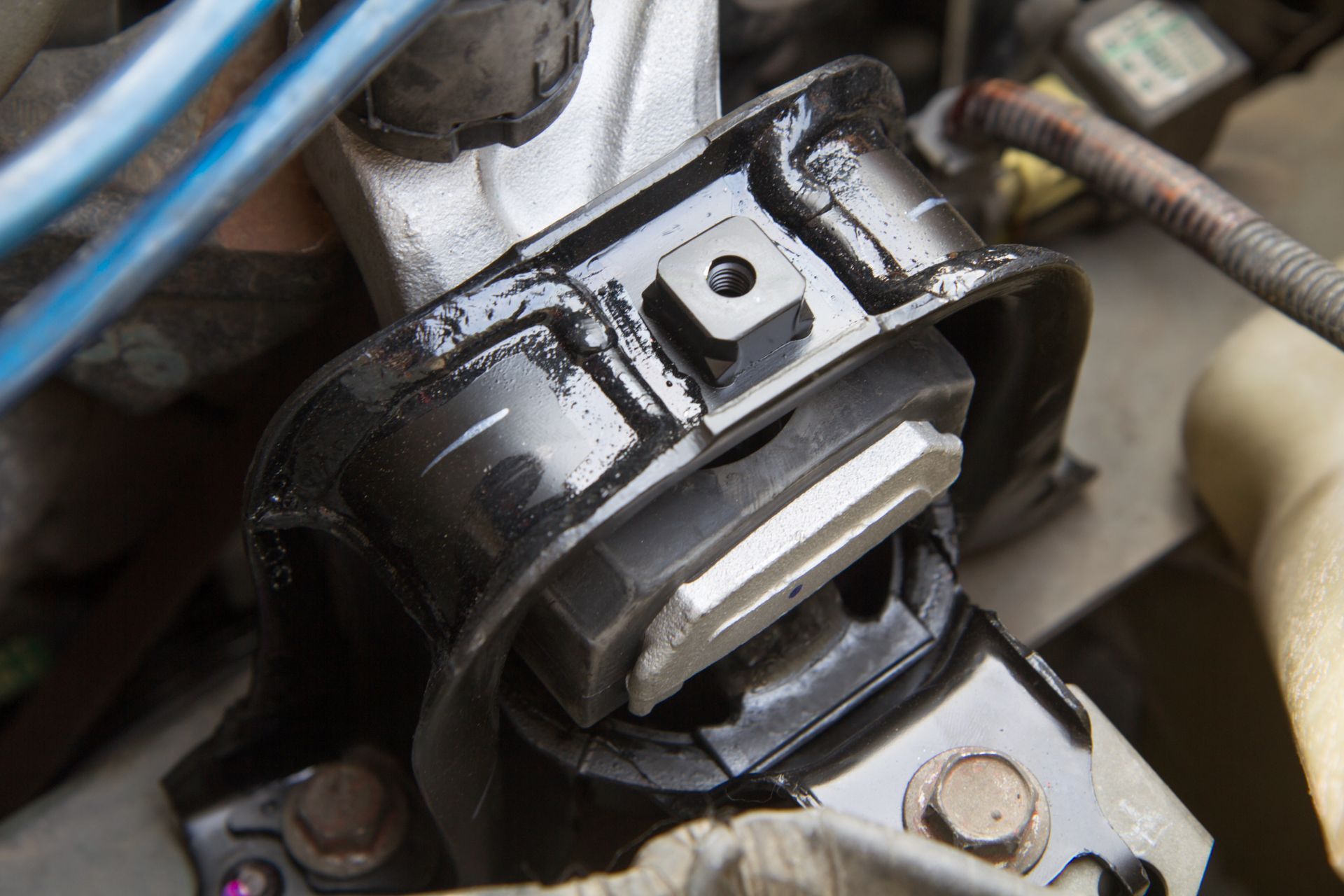
- Rubber bushings dry out and crack, which can create clunks and extra movement.
- Shocks or struts weaken, so the car starts bouncing more than it should.
- Ball joints and tie rod ends develop play, which can make steering feel loose.
- Wheel bearings and mounts wear gradually, so vibration and noise sneak in.
We often find that drivers adjust to these changes slowly, so the car feels normal until it suddenly does not.
1. Steering Feels Loose Or Wanders At Speed
A healthy suspension helps the car track straight without constant steering corrections. When components wear, the front end can feel light, floaty, or like it needs frequent small adjustments to stay centered in your lane.
This can happen when tie rod ends, control arm bushings, or ball joints develop play. It can also happen when alignment is off because a worn part is no longer holding angles where they belong. If the steering wheel feels less precise at higher speeds, it’s a strong hint that something in the suspension or steering linkage is moving more than it should.
2. Clunking Or Knocking Over Bumps
A clunk over bumps is often a suspension part telling you it’s loose, worn, or shifting under load. You might hear it when you pull into a driveway, roll over a speed bump, or hit a pothole at a lower speed.
Common causes include worn sway bar links, loose strut mounts, worn control arm bushings, or ball joint play. The sound matters, but the timing matters more. If it happens during weight transfer, like turning while hitting a bump, that usually points to a joint or bushing that’s no longer tight and controlled.
3. The Car Keeps Bouncing After Dips Or Speed Bumps
Your shocks and struts are there to control motion, not just cushion it. If the car bounces more than once after a dip, or it feels like it takes a moment to settle after a bump, your damping may be weak.
This often shows up as a slightly busy ride on uneven roads, even when the road is not that bad. You may also notice the front end feels less planted during quick lane changes. Worn shocks and struts can make the car feel unsettled, which affects comfort and stability at the same time.
4. Uneven Tire Wear That Keeps Coming Back
Tires are like a report card for suspension and alignment. If you’re seeing inner-edge wear, outer-edge wear, or cupping that looks like a series of dips around the tread, it’s worth looking deeper than the tires themselves.
Alignment can cause uneven wear, but worn suspension parts can cause alignment to drift. You might get an alignment, and the car still chews through tires because a bushing or joint is allowing movement under load. If you keep rotating tires and still see odd wear patterns, the suspension may be the real reason the tires are not lasting.
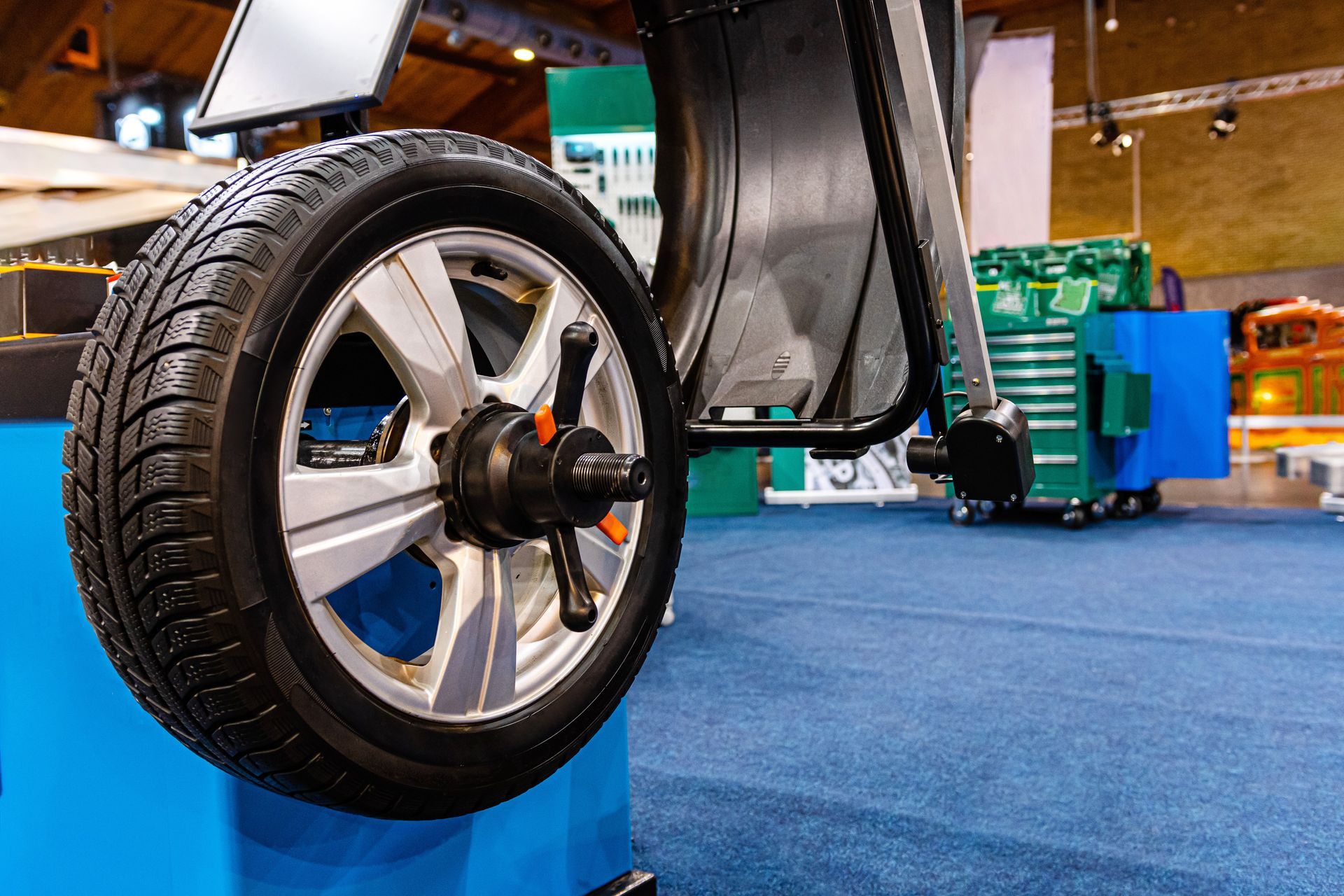
5. Vibration In The Steering Wheel That Isn’t Just Tire Balance
Some vibration is tire-related, especially if it shows up at one specific speed. Suspension-related vibration often feels different. It may change with braking, turning, or road surface. It can also feel less consistent, like it comes and goes depending on load.
Worn wheel bearings, loose tie rod ends, and tired bushings can all contribute. So can a bent wheel or an out-of-round tire, which is why proper inspection matters. If you’ve already balanced tires and the vibration keeps returning, it’s time to check the parts that locate and support the wheel.
6. More Nose Dive, Squat, Or Body Roll Than You Remember
If the front end dips noticeably when you brake, or the rear squats more when you accelerate, your suspension may not be controlling weight transfer the way it used to. You might also notice extra body roll in turns, especially on freeway ramps.
Some of this comes down to shocks and struts aging. Some of it can come from worn bushings or sway bar components that no longer resist movement effectively. The car can still feel drivable, but it may take longer to settle after a maneuver, which can make emergency moves feel less confident.
Get Suspension Repair in Mesa, AZ, with Friendly Auto Centers
We can inspect your suspension and steering components, confirm what’s worn, and explain what’s causing the symptoms you’re feeling. We’ll also check related items like tire wear patterns and alignment angles so the fix lasts, not just for a week.
Call
Friendly Auto Centers in Mesa, AZ, to schedule a suspension inspection and get your vehicle back to stable, predictable handling.